
Atypical Rain in Brazil's Center-South Halts Sugarcane Harvest, Spiking Ethanol Prices
Unexpected heavy rain in Brazil's main sugarcane region caused a short-term operational bottleneck, driving hydrous and anhydrous ethanol prices up significantly despite high stocks.
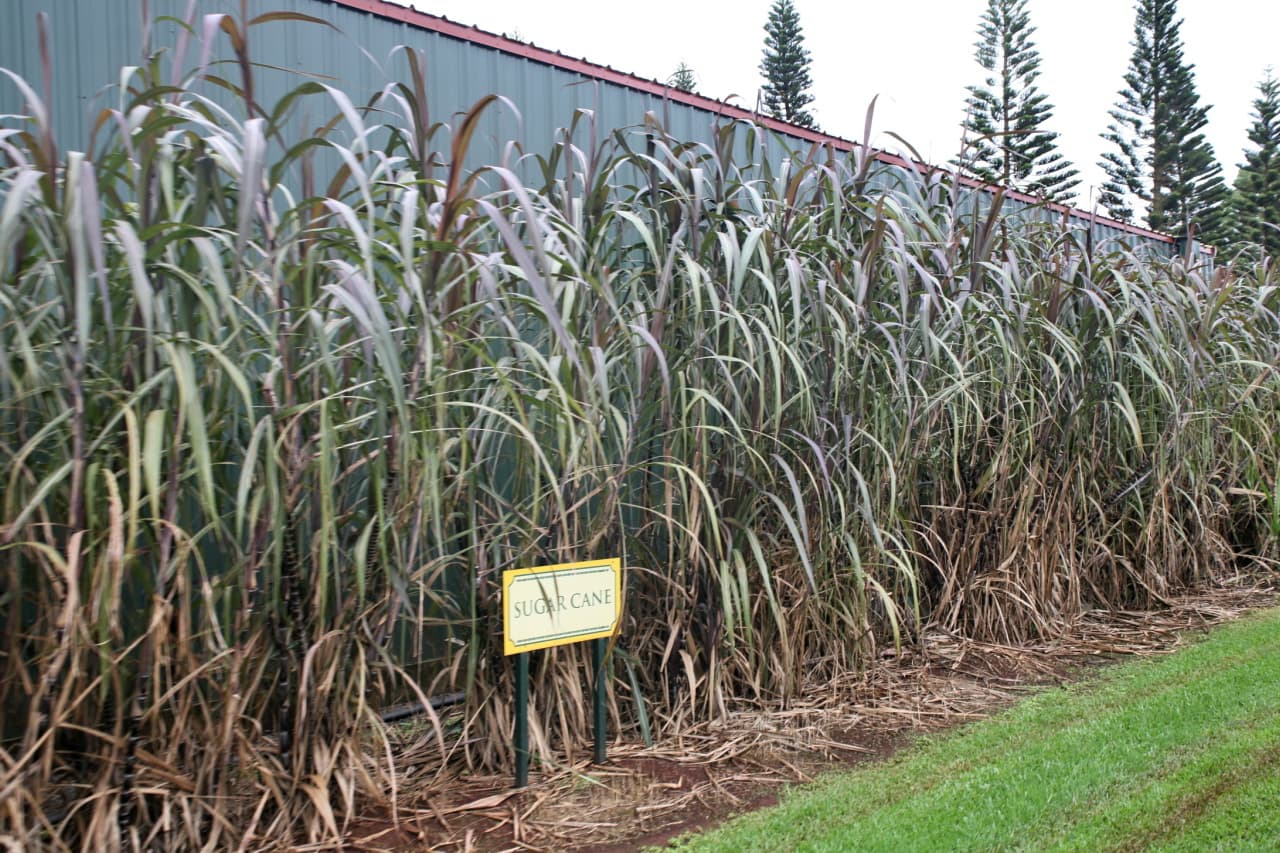
Atypical and heavy rains in Brazil’s Center-South region have created a temporary operational bottleneck in the biofuel supply chain, causing a sharp, short-term spike in ethanol prices. Despite the region holding robust inventories and anticipating a strong overall harvest, the weather-driven disruption forced sugarcane mills, or usinas, to temporarily halt harvesting and processing, demonstrating how climate events can quickly overrule long-term supply fundamentals.
The immediate supply shock led to a significant jump in wholesale prices during the first week of September. Hydrous ethanol, the type sold directly to consumers at the pump, rose 3.79% in the period. Anhydrous ethanol, which is mandatorily blended with gasoline in Brazil, saw an even larger increase of 6.85%. This price movement highlights the sensitivity of the market to harvest continuity in the Center-South, the heart of Brazil’s massive sugar and ethanol production.
The analysis comes from the Center for Advanced Studies on Applied Economics (Cepea) at the University of São Paulo's Luiz de Queiroz College of Agriculture (Esalq/USP), a key research institution that provides data and analysis for Brazil’s agricultural sector, including crops and bioenergy. The research points out that while the rains replenish soil moisture and may benefit the crop in the long run, their immediate impact on operations is a complete stop. When the ground is too saturated, harvesting machines cannot enter the fields, and the logistical challenge of moving cane to the mills becomes too great.
For the foreign observer, this episode serves as a clear illustration of the physical and climatic risks inherent in Brazil's agricultural output. The country is the world's largest exporter of sugar and a major producer of ethanol, but the entire sugarcane-based industry is dependent on weather patterns. While the fundamentals—the size of the crop and the current stock levels—remain strong, the speed and scale of processing are at the mercy of the elements.
The price volatility is expected to be short-lived. Once the heavy rains subside and the fields dry sufficiently, harvesting and processing operations will restart quickly, injecting fresh supply back into the market and easing the upward pressure on prices. The next material change will come as Cepea publishes its next weekly price index, which will reflect the resumption of mill activity and determine if the price gains were fully sustained.
What it touches The price spike affects the entire sugarcane and biofuel sector in Brazil. Companies involved in the production and distribution of ethanol, such as major integrated sugar and energy groups, see their margins shift due to the price movement, though the impact is temporary and tied to short-term logistics rather than long-term demand.