
Brazil’s ‘Second Rent’ Crisis: Condominium Fees and New Rents Outpace Official Inflation
Urban living costs in Brazil are rising sharply as residential condo fees and new rental prices significantly exceed the official inflation rate.
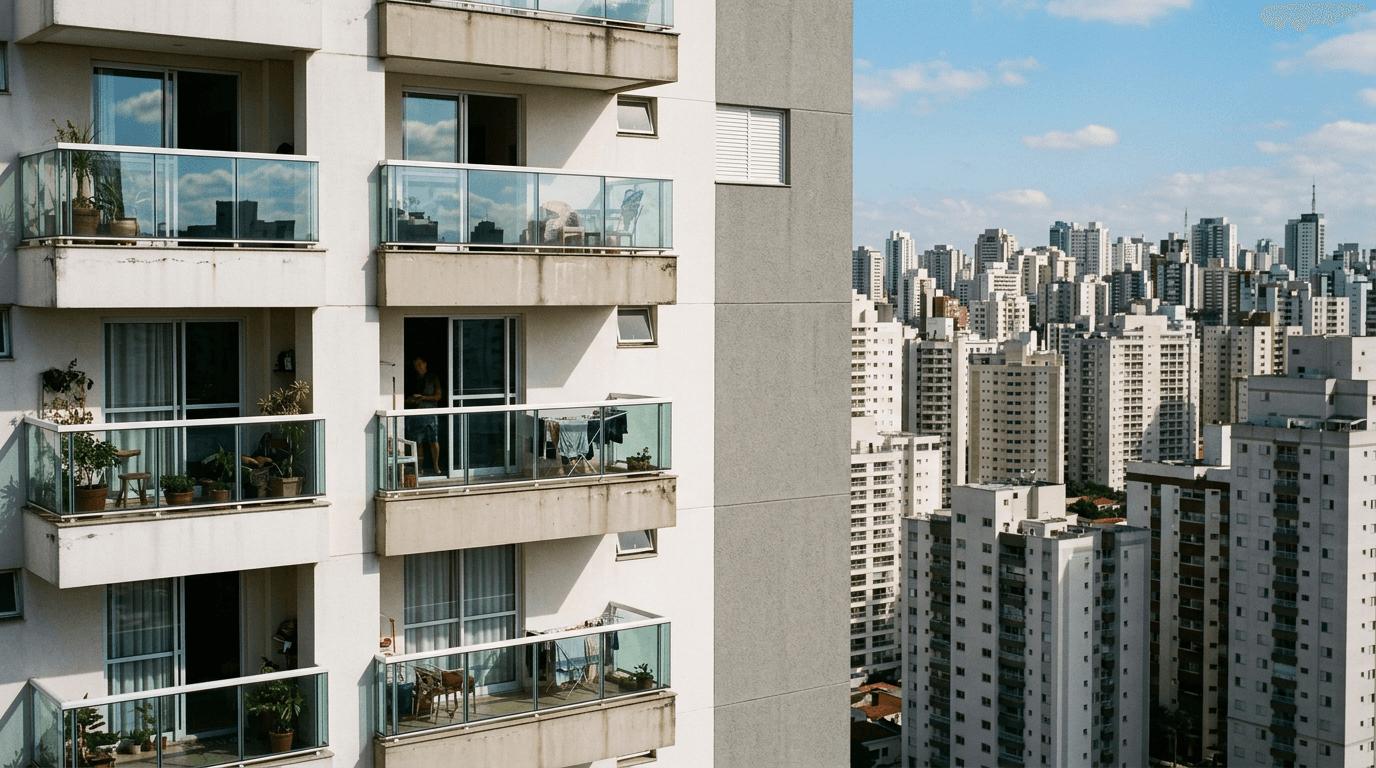
The cost of simply living in Brazil’s major cities is accelerating well beyond the headline inflation rate, driven by a sharp rise in residential condominium fees and new rental contract prices. The average monthly condominium fee, often referred to as the ‘second rent,’ surged by nearly 25% between 2022 and 2025, easily surpassing the estimated 19% rise in the official inflation index (IPCA) over the same period. For a foreign audience, the fee—known in Brazil as the taxa de condomínio—is the mandatory charge covering building maintenance, 24-hour security, shared utilities, and luxury amenities, and its national average reached R$ 516 per month as of 2025. This cost is material for households, sometimes reaching as much as 40% of the apartment's monthly rent.
The rapid escalation is a symptom of inflation's stickiness in the services sector and an increasingly complex urban life. The largest component of the fee is often the cost of human labor, which includes doormen, cleaners, and maintenance staff, an expense that rises in line with or ahead of the minimum wage and is difficult to cut. Beyond wages, the cost structure is being driven up by more sophisticated offerings like new communal leisure areas, increased security infrastructure, and even the installation of electric vehicle charging points. An added pressure is a rise in delinquency; when a growing percentage of residents fail to pay their dues, which hit nearly 12% in 2025, the burden is shifted to the compliant residents, forcing fees even higher.
The pressure on urban budgets is compounded by soaring costs for new tenants. Residential rental contracts signed recently are seeing prices jump at more than double the official consumer price index. In the 12 months up to July 2026, the cost of new residential leases across the country rose 9.28%, a rate significantly higher than the 4.44% registered by the IPCA over the same time frame. This dislocation is a direct consequence of Brazil's high-interest-rate environment. With mortgage costs remaining elevated by the Central Bank's policy rate (Selic), many Brazilians who might otherwise be home buyers are forced to remain in the rental market, creating intense demand for well-located apartments and giving landlords leverage to set prices aggressively.
The sustained surge in housing costs presents a real challenge to urban household finances and acts as a persistent headwind to the Central Bank's fight against inflation. Policymakers must contend with the fact that these non-discretionary expenses—rent and condo fees—feed directly into the cost of living for millions, keeping a floor under expectations and complicating any pivot toward looser monetary policy. What to watch next is whether the Central Bank can bring the Selic rate down fast enough to ease mortgage burdens and shift some of the rental demand back into the ownership market, or if the costs of urban services will continue to outrun inflation, placing an ever-tighter squeeze on middle-class budgets.
What it touches The dynamics of rising fees and rents directly impact the cash flow of residential Real Estate Investment Funds (FIIs) that manage rental properties in Brazil. While rising rental prices can boost income for these funds, the simultaneous spike in condominium fees and higher operating costs—often paid by the tenant but administered by the property—can complicate net yields, particularly in funds with exposure to older or service-heavy properties.