
EU Suspends Brazil Meat Imports Over Veterinary Drug Rules
The European Union has halted imports of Brazilian animal proteins, including beef and poultry, starting September 3, 2026, over antimicrobial traceability.
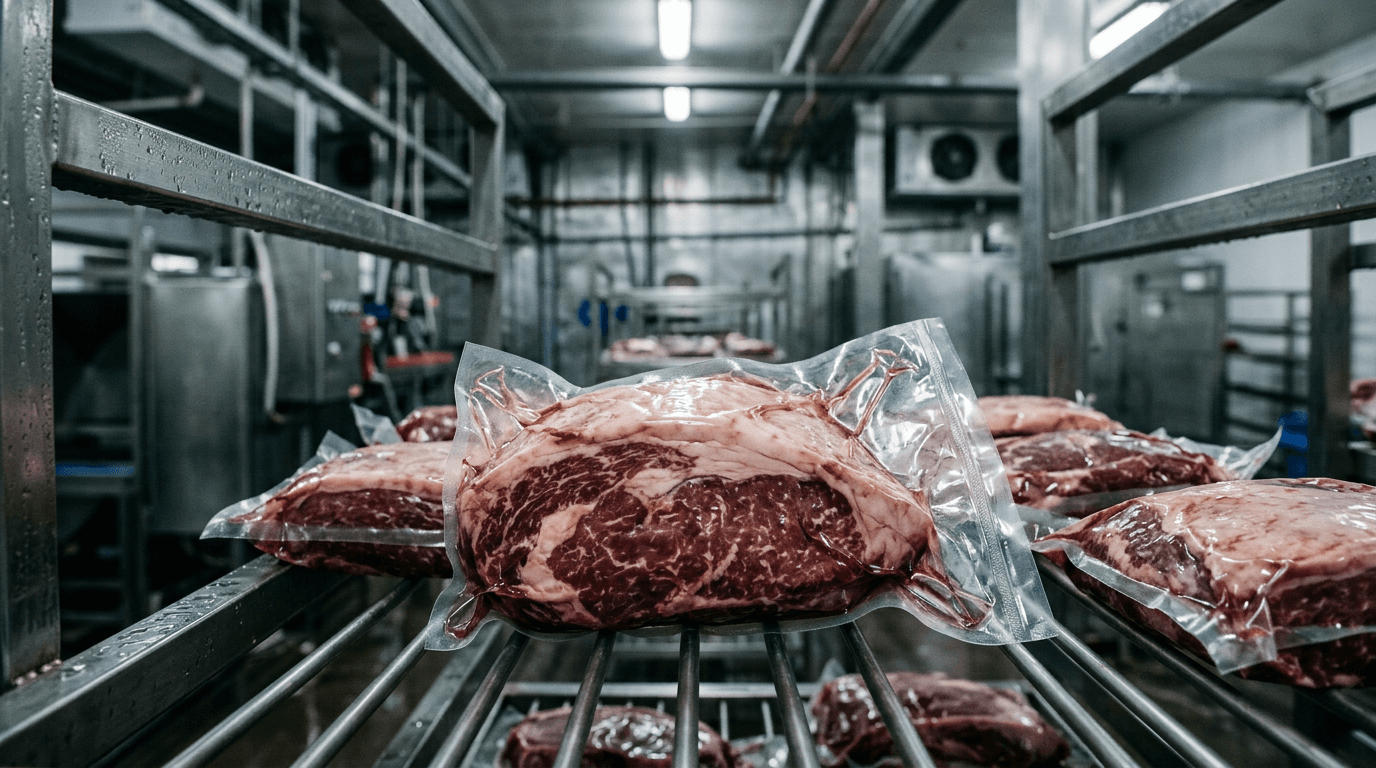
The European Union has suspended imports of a broad range of Brazilian animal proteins—including beef, poultry, pork, eggs, honey, and seafood—effective September 3, 2026. The sweeping decision stems from a regulatory impasse over how Brazil monitors and controls veterinary antimicrobials. European authorities ruled that Brazil’s Ministry of Agriculture has not provided sufficient guarantees that livestock destined for the European market are free from growth-promoting antibiotics or medicines reserved strictly for human healthcare.
The suspension does not stem from contaminated shipments, but rather from a failure to meet the EU’s strict traceability requirements. Under European guidelines, exporters must prove that animals were raised without these restricted substances throughout their entire lifespans. While Brazil struggled to establish a fully compliant national registry, its Mercosur trade bloc neighbors—Argentina, Uruguay, and Paraguay—updated their national legislations earlier and remain cleared to export to the EU, leaving Brazil temporarily isolated.
The timing of the ban is highly sensitive as it tests the newly implemented EU-Mercosur trade framework. European farming lobbies, particularly in France and Italy, have long opposed the trade deal, citing unfair competition from South American producers. By enforcing these strict sanitary standards, European regulators are signaling that access to their market requires absolute regulatory alignment. The Brazilian government described the measures as disproportionate and is currently examining reciprocal actions and legal channels to challenge the decision.
While the EU accounts for only a fraction of Brazil's total beef export volume, it is a crucial, high-value "showcase" market. European buyers pay premium prices compared to volume buyers like China. Losing this high-margin market threatens the profitability of Brazilian meatpackers and could force them to redirect premium cuts back into the domestic market, driving down local meat prices. However, because poultry has a much shorter production cycle of 42 days compared to two years for cattle, Brazilian officials hope poultry exports can resume much faster once compliance is demonstrated.
What it touches: The export ban directly pressures major Brazilian food processors, though analysts estimate their overall revenue exposure is manageable, sitting at roughly 1% for JBS (NYSE: JBS) and between 1% and 2.5% for BRF (B3: BRFS3). Other exposed agricultural players include Minerva (B3: BEEF3), which relies heavily on high-end beef exports, and Adecoagro (NYSE: AGRO), which operates regional farming and dairy assets.