
Supply Squeeze Pushes Brazilian Rents Above Official Inflation Rate
Residential rents in Brazil's major cities are surging faster than inflation, driven by high interest rates and a lack of housing supply.
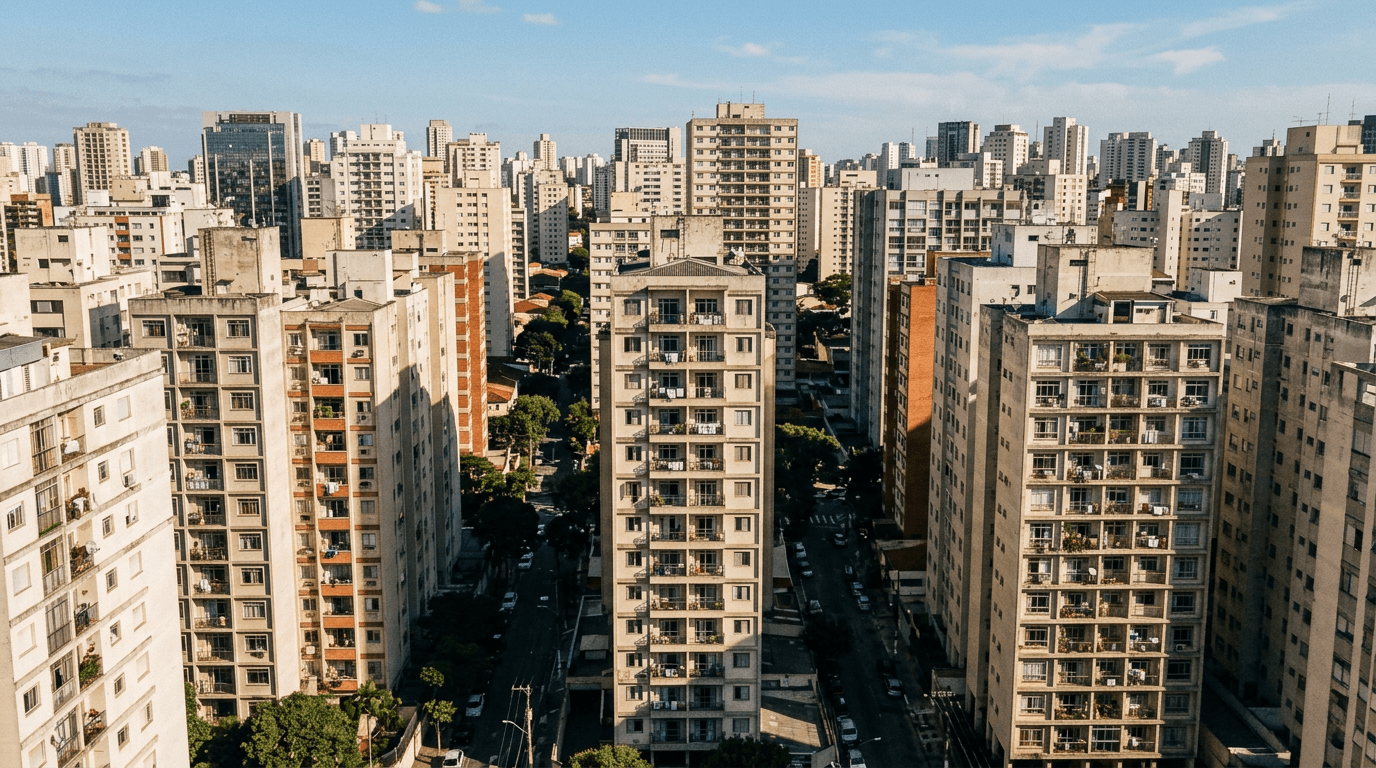
The cost of renting a home in Brazil’s major urban centers is soaring well past the rate of official consumer price inflation, putting financial pressure on millions of households. In the first five months of 2026, residential rents in the country increased by 4.40%, significantly outpacing the 3.20% rise in the official inflation index, the IPCA (Índice Nacional de Preços ao Consumidor Amplo), over the same period. This persistent gap highlights a severe supply-demand imbalance in the housing market, a trend that grants exceptional pricing power to property owners across cities like São Paulo, Rio de Janeiro, and Brasília.
The primary mechanism driving this surge is Brazil’s restrictive monetary policy, managed by the Central Bank of Brazil (BCB). The country’s benchmark interest rate, the Selic, remains elevated to combat inflation. While the high Selic rate helps anchor the overall price level, it simultaneously makes home financing—mortgages—prohibitively expensive for a large segment of the population. When high-cost credit sidelines prospective homeowners, those families are forced to remain in the rental market for longer, converting former buyers into tenants and creating structural growth in demand for rental properties. As a result, long-term rental demand is growing strongly, especially in job hubs and university cities, because many households still need housing but cannot afford to carry a mortgage.
This growing pool of tenants is competing for a constrained supply of available units in desirable urban areas. While construction activity continues, the supply of new, well-located residential properties is not keeping pace with the demand pressure created by the prohibitive cost of buying a home. This is particularly acute in major metropolitan areas, where a structural shift is underway as a greater proportion of the population opts to rent rather than buy. The resulting squeeze is allowing landlords to push rent increases that far exceed what general consumer prices are doing, transferring the cost of Brazil’s high-interest-rate environment directly onto the cost of housing for the average family.
For foreign investors and observers, the trend signals a fundamental resilience in the underlying value of Brazilian real estate, despite the challenging high-rate environment. The market is demonstrating that while high interest rates deter capital-intensive purchases, they paradoxically create an unyielding demand floor for rental income. The next key indicator to watch will be the movement of the Selic rate. A sustained decrease in the Selic would eventually translate into cheaper mortgages, which could cool the rental market by drawing tenants back into the buyer pool. Until then, rental price pressure is expected to continue across the country’s most economically dynamic regions.
What it touches
The sustained strength in rental income supports the business models of Brazilian homebuilders and Real Estate Investment Trusts (FIIs), which are tied to the rental yield and underlying value of urban property. Companies exposed to residential development and long-term rental income streams benefit from the current dynamic, as the rental sector functions as a relative safe haven against the high cost of home financing, underpinning valuations in the Brazilian real estate sector.