
Brazil Bank Investors Face $16 Billion Bad Debt Buyback Program
Brazil's government is launching a public call to purchase up to $16 billion in delinquent bank loans at steep discounts, cleaning up consumer balance sheets.
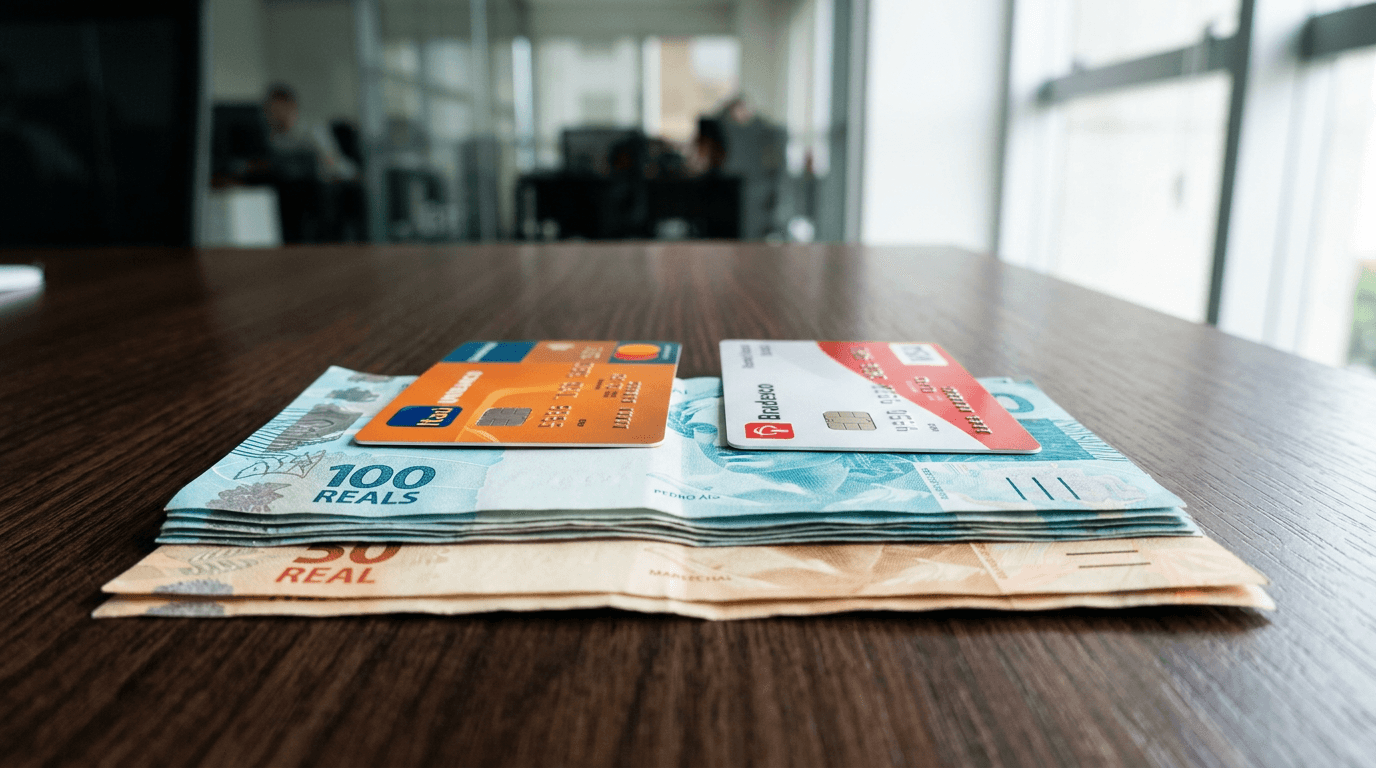
Global investors holding shares of major emerging-market financial institutions are about to see a massive government intervention in consumer balance sheets. On October 21, 2026, Brazil’s federal government announced a major public initiative to directly purchase delinquent consumer and small-business loan portfolios from retail lenders. The move is designed to clean up bad-debt provisions across the financial sector and restore consumer borrowing capacity.
The program, dubbed "Desenrola 3.0," targets the renegotiation of up to 90 billion reais (approximately $16 billion) in consumer and micro-entrepreneur debt. Acting Finance Minister Dario Durigan announced on October 21, 2026, that the government will issue a formal call for banks to submit portfolios of delinquent debts. Under the rules of the program, the government will buy these distressed portfolios at a minimum discount of 90%, meaning the maximum cost to the federal treasury will be capped at 9 billion reais ($1.8 billion).
This marks a structural shift from previous iterations of the debt-relief program. Instead of simply acting as an intermediary to facilitate deals between consumers and lenders, the Brazilian Treasury will directly purchase the bad loans. Because retail banks have already written off these debts as losses, selling them to the state at a deep discount allows them to recover cash on assets previously valued at zero. The government plans to hold the final credit buyback auctions by early December 2026.
The timing of the announcement carries significant political weight, arriving just days before the country’s high-stakes presidential runoff election on October 25, 2026. Foreign investors have closely watched the political risk surrounding the election, where incumbent President Luiz Inácio Lula da Silva faces Senator Flávio Bolsonaro. Durigan defended the buyback program as a stable institutional policy, contrasting it with opposition proposals to freeze consumer debt, which he warned would trigger a systemic default across the financial sector.
For global asset managers, the immediate consequence of the buyback is a reduction in non-performing loans (NPLs) and a potential release of bad-debt provisions for the country's largest retail lenders. While the government has five business days from the publication of the call to analyze the bank portfolios, the ultimate impact on bank earnings will depend on the volume of loans each institution successfully unloads during the December auctions.
In your brokerage app
American retail investors holding broad emerging-market funds or specific Brazilian financial equities will see the direct effects of this clean-up. Major financial institutions like Itau Unibanco, listed in New York, and Banco Bradesco, also listed in New York, are among the primary retail lenders eligible to offload their delinquent credit portfolios to the government. These assets are also heavily represented in the iShares MSCI Brazil ETF, which tracks the broader performance of the Brazilian equity market.