
Nasdaq direct listings help retail investors bypass hidden foreign stock fees
Brazilian digital bank Inter Co bypasses traditional ADR structures with a direct Nasdaq listing, saving US retail investors from administrative and conversion fees.
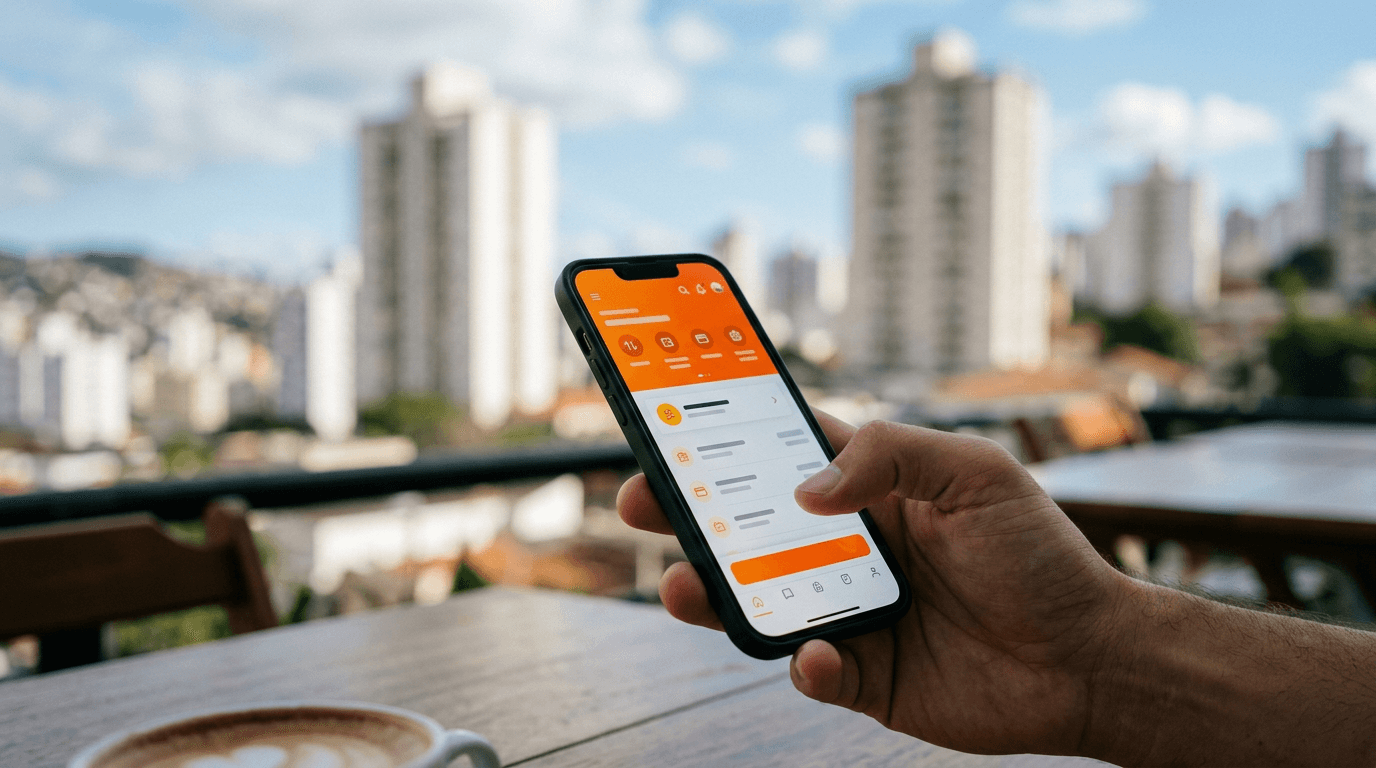
When American retail investors purchase foreign stocks through standard brokerage accounts like Schwab, Fidelity, or Robinhood, they are usually buying American Depositary Receipts (ADRs). These financial instruments, while convenient, carry a hidden sting: depositary banks charge ongoing administrative fees, custody surcharges, and currency conversion tolls that quietly chip away at investment returns.
To bypass these structural costs entirely, Brazilian digital bank Inter Co completed a corporate reorganization to establish its primary, direct listing on the Nasdaq. By choosing a direct listing over the traditional dual-listing ADR structure used by other Latin American giants, the company allows US retail investors to trade its shares natively on an American exchange without paying any depositary bank fees. The stock closed at $5.48 on October 2, 2026, highlighting this structural cost advantage for cost-conscious retail portfolios brznews.com.
Based in Belo Horizonte, Brazil, Inter Co has evolved from a regional lender into a massive digital "super-app" serving over 40 million clients nasdaq.com. The company integrates traditional checking accounts, investment platforms, insurance, and an e-commerce marketplace into a single mobile application. This all-in-one financial ecosystem has allowed the digital bank to scale rapidly across Latin America's largest economy, challenging the high-fee models of Brazil's traditional brick-and-mortar banking cartels.
Navigating the restructuring transition
While the direct listing eliminates long-term friction for US investors, the company's stock has faced short-term technical pressure due to changes in its domestic listing structure. On September 17, 2026, Inter Co initiated a 30-day selection window to discontinue its Level II Brazilian Depositary Receipt (BDR) program, which previously traded on the B3 exchange in São Paulo brznews.com.
This transition forced Brazilian shareholders to either convert their holdings into Nasdaq-listed Class A shares or cash out, creating temporary localized selling pressure brznews.com. Despite this market volatility, the underlying business has maintained strong operational momentum, reporting record second-quarter earnings in August 2026 and meeting its "Rule of 50" target—a metric evaluating the combined strength of revenue growth and profit margins brznews.com.
For US retail investors, the corporate migration represents a structural shift in how international equities are accessed. Rather than relying on a major global bank to hold foreign shares in custody and issue receipts, investors own the underlying equity directly. As more international companies seek direct US listings to attract retail capital, the traditional, fee-heavy ADR model may face growing pressure to adapt.
In your brokerage app
You can trade Inter Co directly on the Nasdaq under the ticker symbol INTR. Because it is a direct listing rather than an ADR, US retail investors buying the stock through standard brokerage accounts avoid the typical foreign custody and depositary fees associated with international equities.