Why Nasdaq-Listed Digital Bank Inter & Co Dipped 4.3% Today
Brazilian digital lender Inter & Co (INTR) fell 4.31% to $6.77 on October 22, 2026, amid broader emerging market swings and regulatory shifts.
American retail investors looking to diversify into Latin American fintech often find themselves limited to complex depositary receipts. However, Belo Horizonte-based digital bank Inter & Co stands out as one of the few Brazilian financial institutions with a direct, primary listing on the Nasdaq, meaning it can be traded seamlessly in US brokerage accounts without the added fees of an American Depositary Receipt (ADR).
On October 22, 2026, shares of Inter & Co (INTR) fell 4.31% to close at $6.77, according to Yahoo Finance market data. The drop occurred despite recent positive momentum, including a major price target upgrade from UBS Group on October 20, 2026, which raised the stock's target from $8.80 to $10.00. The decline reflects broader volatility across Latin American equities as investors weigh regional credit risks and macroeconomic shifts.
Navigating Brazil's High-Interest Environment
Led by Global CEO João Vitor Menin, Inter & Co operates a "super-app" model combining checking accounts, credit cards, investment portfolios, and insurance. The digital lender has been rapidly expanding its loan book, crossing R$100 billion in total assets earlier in 2026. However, this aggressive expansion has exposed the company to credit risk in a country where the central bank's benchmark Selic rate remains at a restrictive 13.75%, according to central bank data from October 2026.
This elevated interest rate environment acts as a double-edged sword. While it expands net interest margins for digital banks, it also increases default risks among retail borrowers. Global investors are closely watching how Inter & Co manages its asset quality ahead of its third-quarter 2026 earnings release, scheduled for November 12, 2026.
Regulatory Shifts and the 2026 Electoral Lens
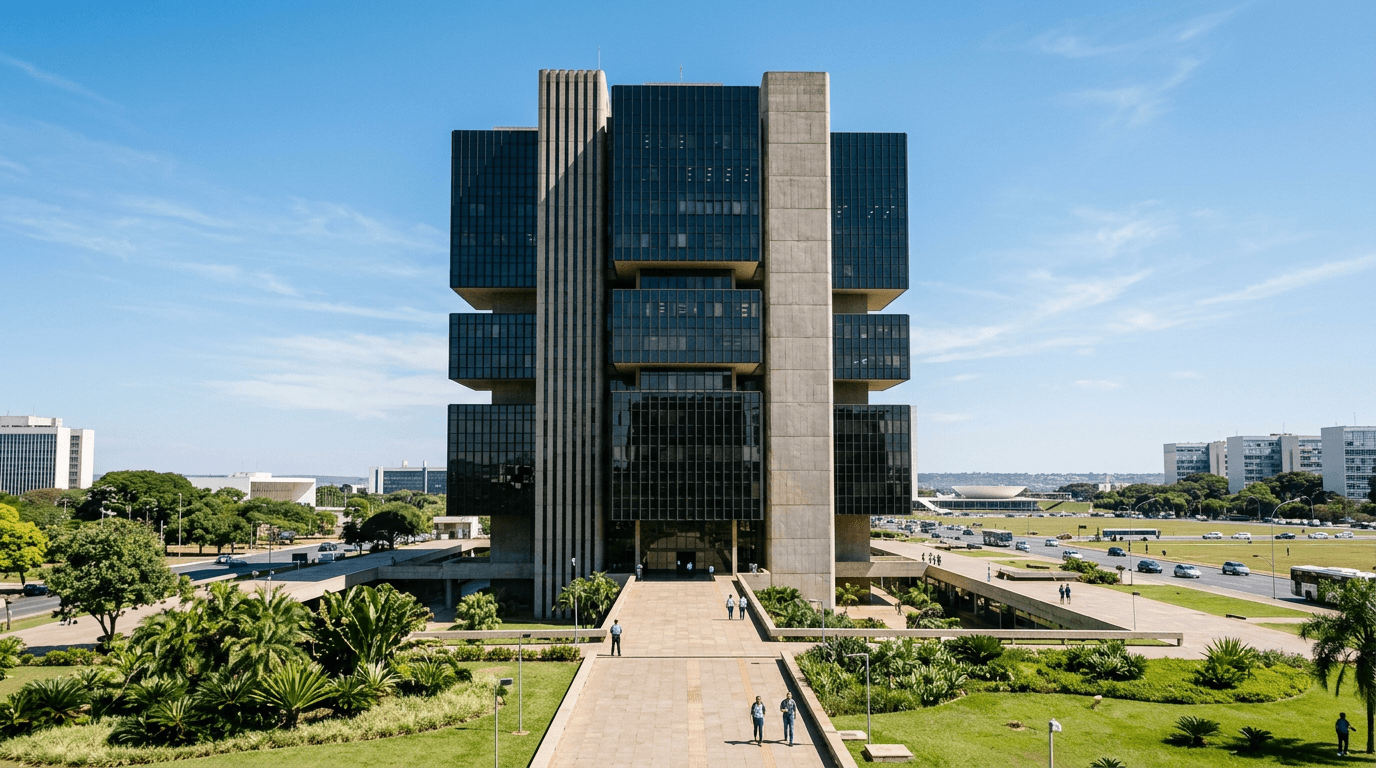
The market's caution is also tied to political and regulatory dynamics in Brazil. As the country prepares for its upcoming electoral cycle, foreign investors are highly sensitive to fiscal policy decisions and potential changes in banking regulations. The Brazilian central bank, Banco Central do Brasil, has been tightening capital requirements for digital lenders to level the playing field with traditional legacy banks.
For international investors, the primary risk is not a sudden collapse of the digital banking sector, but rather regulatory adjustments that could squeeze return on equity. Conversely, any signal of tax simplification or a potential easing of monetary policy post-election could quickly relieve the discount currently applied to Brazilian growth stocks.
In your brokerage app
Inter & Co, Inc. is listed directly on the Nasdaq under the ticker INTR. Because it is a primary US listing, retail investors can buy and sell its Class A common shares directly through standard US brokerage platforms like Fidelity, Schwab, or Robinhood without paying foreign transaction or ADR custody fees.