
Meta faces US congressional scrutiny and Brazilian court orders
Meta is caught in a regulatory crossfire as US lawmakers and Brazil’s electoral court demand answers over content moderation and alleged political bias.
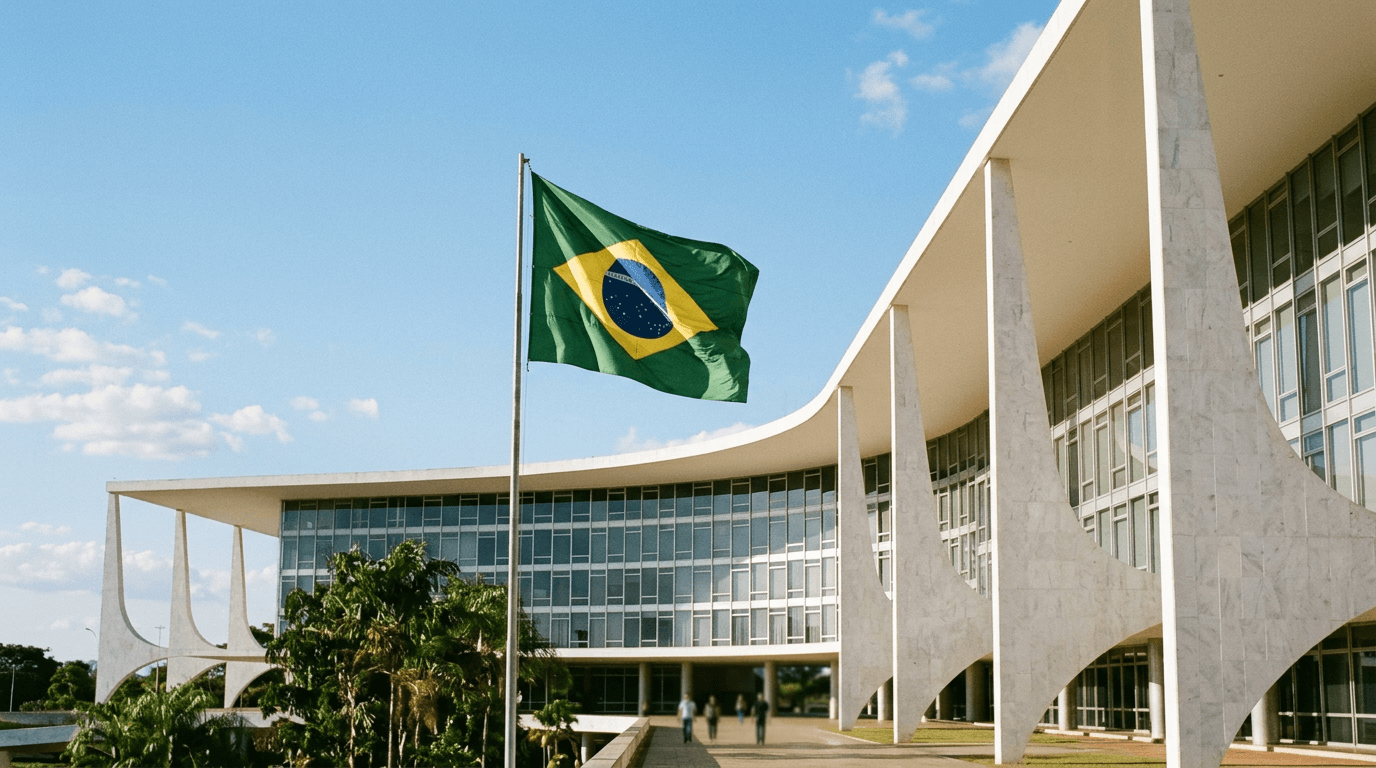
A major U.S. tech giant sitting in millions of American retirement portfolios is facing a coordinated regulatory squeeze on two fronts. On October 22, 2026, Meta Platforms Inc. found itself caught in a high-stakes crossfire between Washington lawmakers and Brazil's top electoral authority over how its algorithms and moderation systems handle political speech during tight democratic contests.
The immediate pressure point is in Brazil, where the country is preparing for a highly polarized presidential runoff election on October 25, 2026, between incumbent President Luiz Inácio Lula da Silva and Senator Flávio Bolsonaro. On October 22, 2026, Kassio Nunes Marques, the president of Brazil's Superior Electoral Court (TSE)—the federal institution that oversees and regulates Brazilian elections—issued a strict 24-hour deadline ordering Meta to submit a detailed technical report on a massive WhatsApp broadcast channel called "Exército do Lula" (Lula's Army).
The court order, which stems from a legal petition by Flávio Bolsonaro’s campaign, demands that Meta explain the technical criteria it uses to differentiate "legitimate mobilization" from "potentially irregular coordinated behavior". The channel, managed by federal deputy André Janones, has ballooned to over 8 million subscribers and is used to coordinate digital campaigns, push specific hashtags, and drive search trends. The TSE is forcing Meta to hand over data on engagement patterns, message replication, and potential artificial amplification across its family of apps, which includes Instagram and Threads.
Meanwhile, the regulatory fire is burning just as hot in Washington. Also on October 22, 2026, U.S. Senator Chris Van Hollen (D-MD), alongside several Democratic colleagues, sent a formal letter to Meta CEO Mark Zuckerberg demanding answers for what they described as "recurring enforcement failures". The lawmakers pointed to recent platform glitches that disrupted progressive political groups in the U.S. during early voting, while explicitly citing Meta's parallel algorithmic issues in Brazil that restricted President Lula's official Instagram reach while boosting conservative profiles.
The political risk surrounding Meta's operations has drawn the attention of international watchdogs. On October 20, 2026, a coalition of five civil society organizations, including the Washington Office on Latin America and Amazon Watch, formally petitioned the U.S. Congress to launch an investigation into Meta's content moderation failures and its overall role in the Brazilian election. The groups cited internal Meta communications, leaked to the press, showing that employees were aware that automated anti-fraud policies had disproportionately suppressed Lula’s campaign ads while recommending Bolsonaro's profile to users. Meta has denied any intentional interference, attributing the discrepancies to "technical incidents".
In your brokerage app
Meta Platforms Inc., listed in New York, is heavily exposed to global regulatory risks as foreign governments increasingly police digital speech during elections. For retail investors holding the stock directly or through broad-market index funds like the Vanguard S&P 500 ETF, these escalating legal battles in Brazil and Washington underscore the growing compliance costs and political scrutiny facing big tech platforms.