
Brazil’s Small-Cap Stocks Rally on Rate-Cut Optimism, But Political Risk Looms
Domestically-focused Brazilian small-cap stocks are seeing a new rally as inflation eases, but the political outlook threatens the interest rate cuts driving the gains.
Domestically-focused Brazilian small-cap stocks are showing renewed signs of life, with the market betting heavily that the country’s central bank will continue its cycle of interest rate cuts. The B3 Small Cap Index (SMLL) began September with a rally, signaling a reversal after a soft August, fueled by expectations that the benchmark Selic rate—currently at a high 14.00%—will continue to fall. The index’s strong reaction is magnified by the fact that the segment is trading 5.1% below its six-month moving average, an indication that many analysts see an underlying value opportunity in the market.
This rally is rooted in the easing of Brazil's annual inflation, which slowed to 4.44% in July, falling back within the Central Bank’s target tolerance range for the first time in months. For leveraged, domestic-facing companies, the high Selic rate represents a substantial burden on borrowing and operational costs, a dynamic that large-cap companies, often focused on commodity exports, do not share. As the Central Bank’s Monetary Policy Committee (Copom) continues to reduce the Selic rate, it directly improves the financial outlook for smaller firms whose sales and profitability rely on local consumption and cheaper credit.
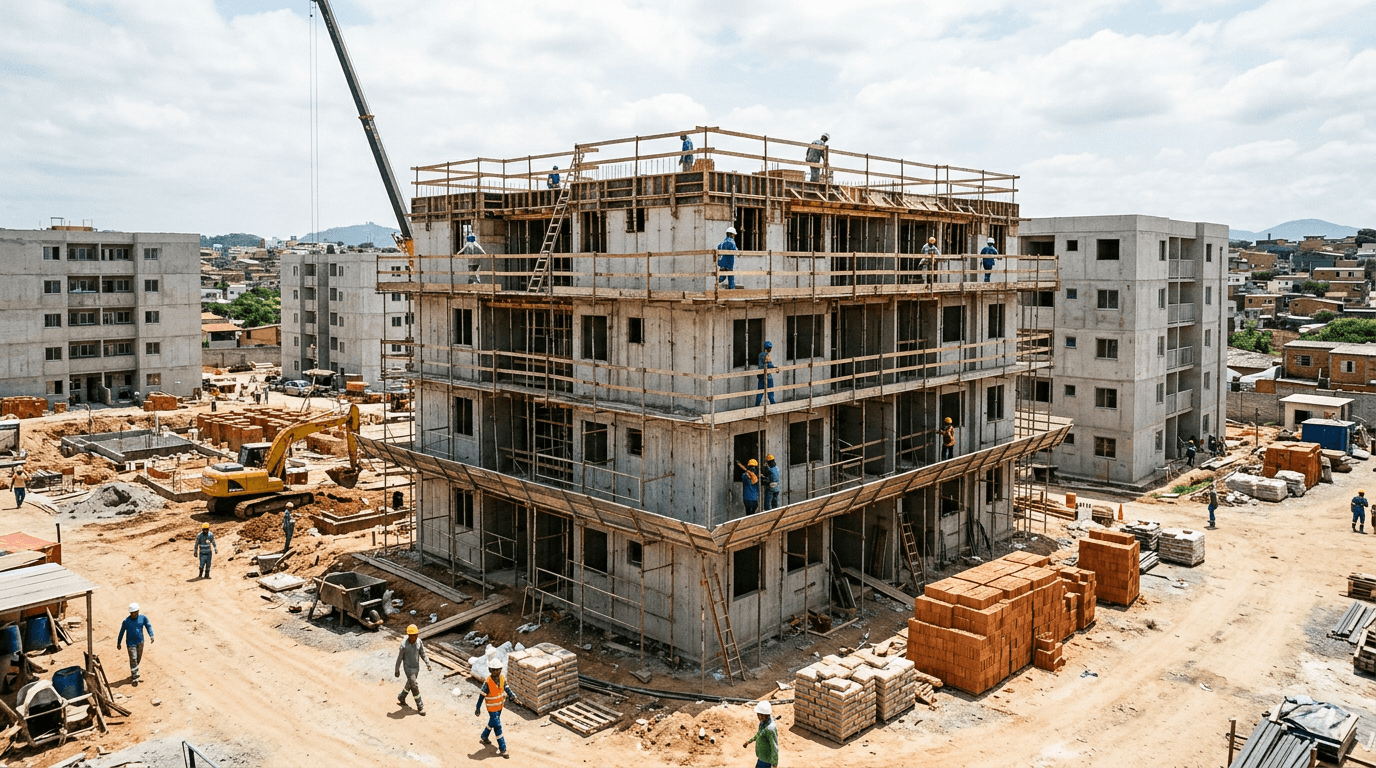
The shift in the macroeconomic landscape has led analysts to rotate their recommendations toward companies that are most sensitive to a drop in the cost of capital. A prime example is the low-income civil construction sector, which is deeply reliant on affordable financing. Firms like Tenda (TEND3) are seen as significant beneficiaries, as a lower Selic rate makes home financing more accessible for the middle and lower-middle class. These companies also benefit directly from government initiatives like the Minha Casa, Minha Vida (My House, My Life) program, which recently adjusted income and property value limits to expand its reach.
However, the path to sustained small-cap gains is precarious and remains tethered to Brazil's enduring political instability. The rate-cutting cycle, which is the engine of the current small-cap rally, is entirely dependent on the government maintaining fiscal credibility, a constant point of tension in Brasília. Any sign that the government cannot control its public spending or that the political environment is destabilizing could force the Central Bank to halt or even reverse the easing cycle, hitting these highly-volatile, domestically-exposed stocks first and hardest.
Investors are now looking ahead to the next Copom meeting in mid-September, which will be the decisive factor in whether the easing cycle continues. The Central Bank’s statement and its forward guidance will determine if the current optimism is justified or if the small-cap segment, which has often lagged the broader market, will face another political reality check.
What it touches: The Small Cap Index’s performance is highly sensitive to the Central Bank's interest rate policy. Assets exposed to this segment, such as the iShares MSCI Brazil Small-Cap ETF (EWZS), as well as individual domestically-focused stocks in sectors like retail, civil construction, and education, will experience increased volatility tied directly to the news flow around monetary policy and fiscal stability.