
Brazil's Central Bank Opens Foreign Currency Accounts to Exporters and Foreign Investors
BCB Resolution 575 expands access to foreign currency accounts in Brazil for companies engaged in international trade and foreign direct investment.
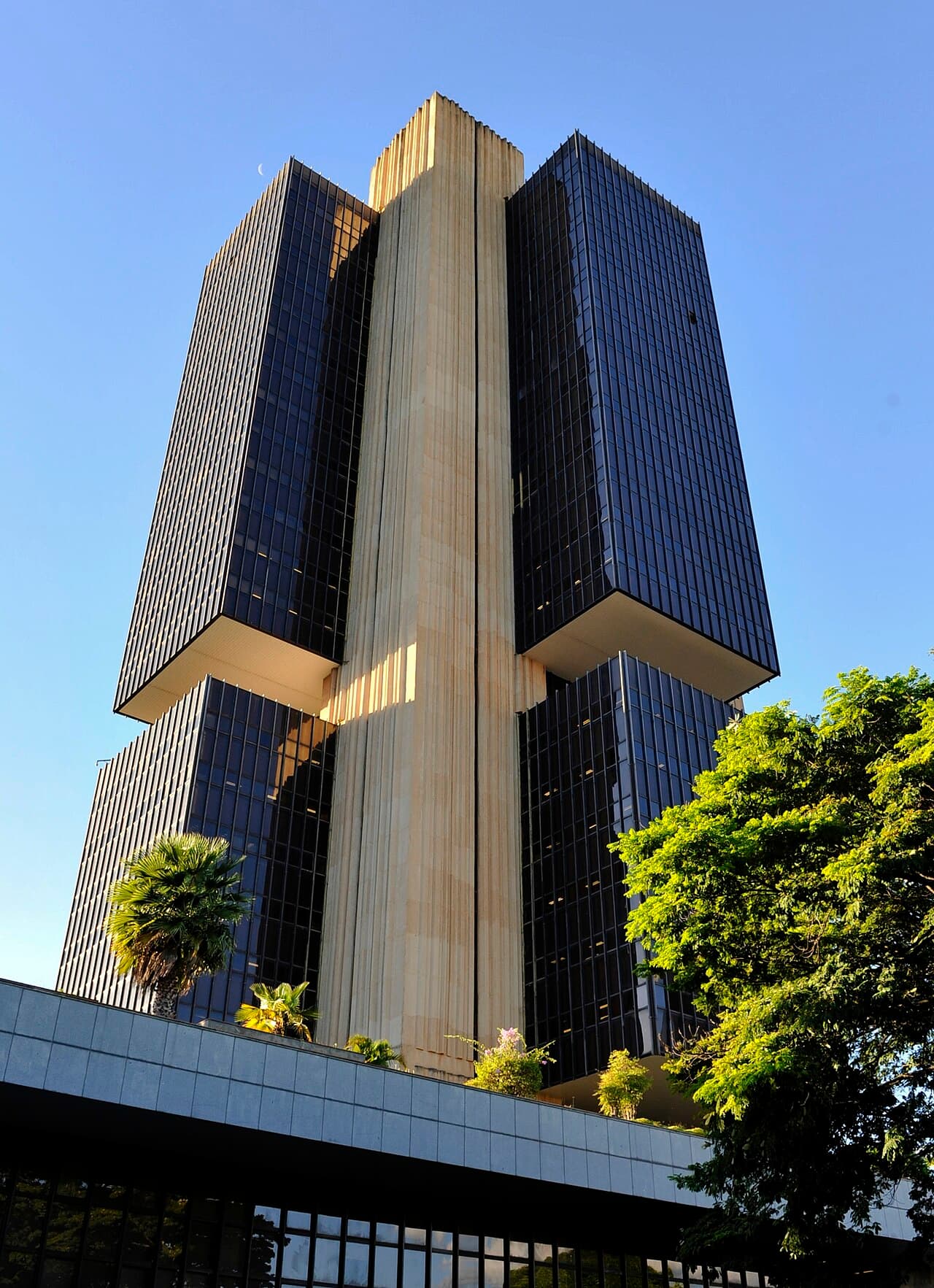
Brazil’s Central Bank (BCB) has enacted a significant liberalization of the country’s foreign exchange market, expanding access to foreign currency deposit accounts for legal entities involved in international business, effective October 1, 2026. The new regulation, BCB Resolution No. 575, dramatically broadens the list of eligible account holders to include Brazilian companies that export goods, resident entities with external debt, and firms that receive foreign direct investment (FDI), a measure intended to streamline international cash management and reduce transaction costs for these groups.
The move is the latest step in modernizing Brazil’s historically restrictive financial framework, building on the Foreign Exchange Legal Framework established in 2021. For decades, foreign currency accounts were primarily reserved for a limited group, such as financial institutions, diplomatic missions, and companies in highly specialized sectors. By contrast, the new rules align the regulatory environment more closely with the operational needs of Brazilian companies that deal regularly with the global economy. Crucially, the change allows for the transfer of foreign currency between these new accounts without requiring a formal, costly foreign exchange transaction, simplifying cross-border cash flows and treasury operations.
For a Brazilian goods exporter, for example, the rule means revenue received in U.S. Dollars, Euros, or other foreign currencies can be deposited directly into a foreign currency account in Brazil and then used to pay for costs also denominated in foreign currency, such as international debt service or imported components, without being forced into two separate conversions to and from the Brazilian Real (BRL). This eliminates conversion spreads and reduces exposure to exchange rate volatility, a key concern in a market where the Real is currently trading at R$5.085 per U.S. Dollar. The measure also applies to non-resident entities holding equity in Brazilian firms or extending credit, allowing them to manage interest payments and investment-related flows more efficiently. However, the Central Bank has maintained strict limits: the new regulation does not permit the use of foreign currency for domestic payments within Brazil, nor can the new accounts be used for cash deposits or withdrawals.
Banks authorized to operate in the foreign exchange market now have until October 1 to integrate the rules into their systems and procedures. The goal of the Central Bank, as stated in its public announcements, is to increase the competitiveness of Brazilian companies and attract financial operations that are currently conducted abroad back into the country. The successful implementation of Resolution 575 will be an important indicator of the BCB’s commitment to fully integrating Brazil’s economy with global capital flows.
What it touches The new framework directly impacts the operational efficiency of international trade financing and foreign direct investment in Brazil. By lowering the friction and costs associated with managing foreign currency internally, the rule provides a tangible benefit to Brazilian companies reliant on exports and to multinational corporations that have subsidiaries or significant investments in the country.