
$100 Oil Price Forces Brazil’s Political Price Choice at Petrobras
Brent crude above $100 creates an unmanageable fuel price gap, forcing Brazil to choose between inflation and state intervention.
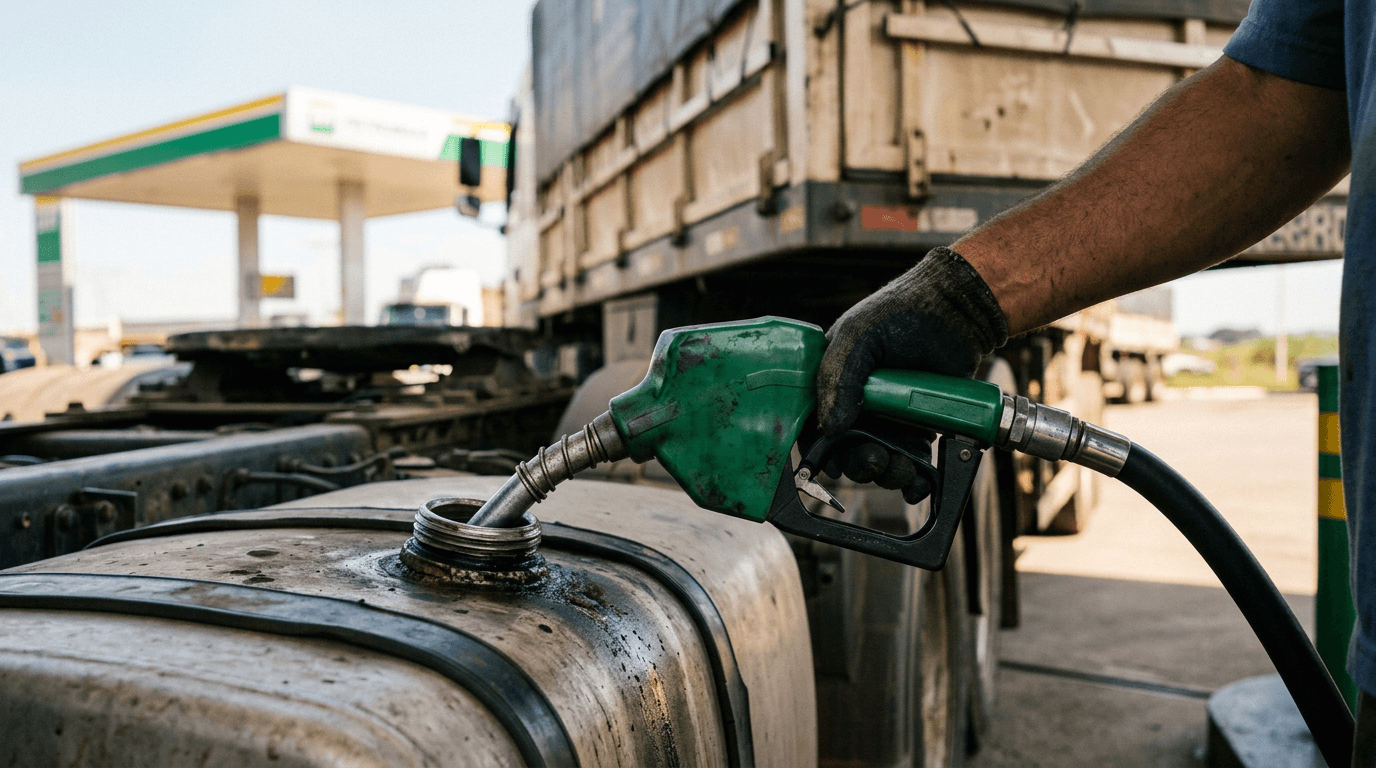
The price of Brent crude oil surpassing $100 per barrel on Wednesday, fueled by escalating geopolitical conflict in the Middle East and increased risk to supply routes through the Strait of Hormuz, has revived Brazil’s most intractable economic dilemma: how to manage domestic fuel costs. The surge has pushed the current diesel price at state-controlled Petrobras’ refineries to an estimated 72% below international market levels, according to the Brazilian Association of Fuel Importers (Abicom). Closing this massive gap, which has grown over 312 days without an adjustment, would require Petrobras to raise the domestic diesel price by approximately R$2.34 per liter.
For the Brazilian government, the choice is between allowing the giant, partially state-owned oil company to charge international rates, thereby capturing higher revenue and maintaining its health, or intervening to control inflation and avoid a massive political backlash. Petrobras operates under an import-parity price policy, a mechanism that links its refinery gate prices directly to the international dollar-denominated cost of oil and its derivatives. When global crude prices soar, as they have today due to intensifying US-Iran tensions and concerns over Red Sea and Hormuz shipping, the gap between the domestic and international price can widen rapidly, placing enormous pressure on the government to act.
The consequence of this price gap is felt across the Brazilian economy. Diesel is the essential fuel for the country’s massive logistics sector, powering the trucks that move virtually all goods and commodities. An increase of R$2.34 per liter would immediately feed into inflation, raising the cost of food, manufactured goods, and public transport. The government has previously tried to mitigate these impacts with a mix of tax cuts, including zeroing federal PIS/Cofins levies on diesel, and even considering an export tax on crude oil to buffer the domestic market. However, the current 72% disparity exceeds the capacity of these measures to absorb the shock, leaving the core issue—Petrobras’ pricing policy—exposed once again.
The political risk is immediate and high, as previous sharp fuel hikes have triggered nationwide strikes by powerful truck drivers’ unions and public protests. President Luiz Inácio Lula da Silva’s administration now faces the uncomfortable choice: either allow the necessary price increase and face an inflation spike and public outcry, or intervene to delay or suppress the hike, risking investor trust in Petrobras and potentially undermining the company’s massive investment plans. A move to intervene and subsidize the price directly would also carry a heavy fiscal cost for the federal budget, complicating the government’s efforts to balance its accounts. All eyes are now on the next official announcement from either Petrobras’ board or the Ministry of Mines and Energy for the decision that will determine the immediate path of the country's inflation and logistics costs.
What it touches The tension directly impacts the state-controlled oil company Petróleo Brasileiro S.A. (PETR4), whose share price often moves on expectations of a price hike or political intervention; today, the stock is up 2.08% to R$48.09, potentially on expectations it will be allowed to pass on costs. Furthermore, the volatility contributes to pressure on the currency, with the dollar-to-real exchange rate (USD/BRL) reflecting broader market anxiety over the Brazilian government's commitment to fiscal and corporate discipline.