
Brazil soybean outlook in focus as CFTC reports net-long positions
Speculative traders expand bullish bets on Chicago soybean futures, highlighting market sentiment shifts that directly affect Brazilian agribusiness.
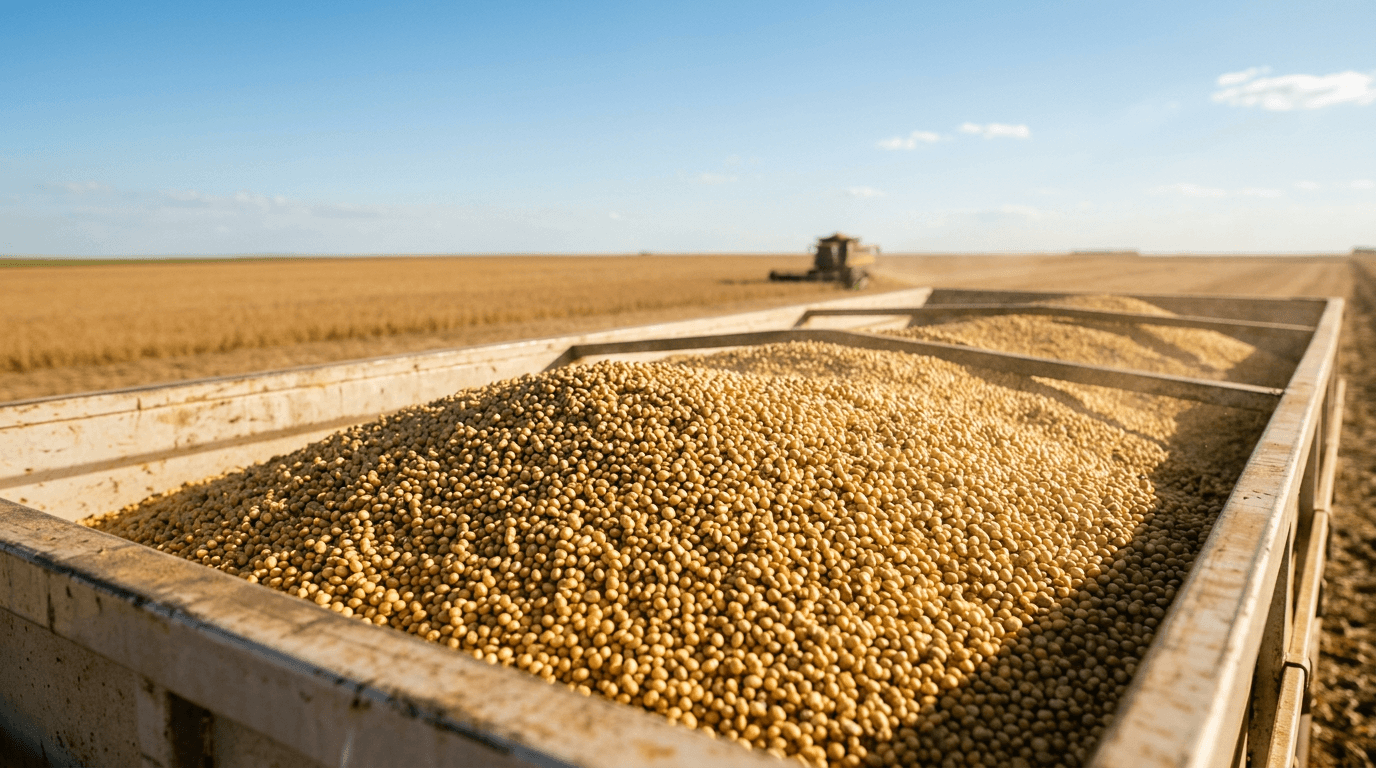
Speculative financial players have expanded their bullish bets on soybeans, a development that carries significant weight for Brazil's massive agricultural sector. According to the weekly Commitments of Traders report released by the U.S. Commodity Futures Trading Commission (CFTC) on October 9, 2026, non-commercial traders held a substantial net-long position in Chicago Board of Trade soybean futures for the week ending October 6, 2026.
The CFTC data shows that for the soybean contract, non-commercial traders—primarily hedge funds and large speculators—held a net-long position of 273,896 contracts. This was set against a total market open interest of 1,121,298 contracts. Rather than serving as a direct price forecast, these weekly positioning figures offer a snapshot of market sentiment and the financial forces shaping the global grain trade.
For Brazil, the world's largest exporter of soybeans, these swings in Chicago futures are felt directly on the ground. From the vast plains of Mato Grosso to the ports of Paraná, the local prices paid to Brazilian farmers are pegged to these international benchmarks. When international speculators build net-long positions, it typically reflects underlying concerns about global supply tightness, such as weather disruptions in South America or shifting import demand from China.
This agricultural backdrop is highly politicized under President Luiz Inácio Lula da Silva, whose administration relies heavily on agribusiness exports to generate the foreign exchange reserves needed to stabilize the Brazilian economy. Brazil's powerful farm lobby closely monitors these international market dynamics as they plan investments for the current planting season. Changes in soybean profitability can quickly translate into shifts in local employment, machinery purchases, and regional economic growth across Brazil's interior.
What it touches
While these commodity positioning shifts do not trade on local equity exchanges, they heavily influence the financial health of Brazil's agricultural giants. The broader Brazil stock market news often reflects these trends through major US-listed agricultural and farmland operators. Specifically, companies like Adecoagro S.A. (NYSE: AGRO), which manages extensive farmland portfolios in South America, and global protein giant JBS S.A. (associated with US trading instruments), which relies on soybeans as a primary feed input, are directly exposed to the shifting cost of global grain supplies.