
Lula and Bolsonaro Son Tied in Second Round, High Rejection Signals Deep Brazil Polarization
Recent polls show President Lula and Senator Flávio Bolsonaro are locked in a technical tie for the second round.
The race for Brazil’s presidency is locked in a tight stalemate, with recent polling showing President Luiz Inácio Lula da Silva and right-wing challenger Flávio Bolsonaro technically tied in a simulated second-round runoff, a direct signal of the country’s deep political polarization. In a head-to-head matchup, the candidates are split at 41% each, but the most striking finding is the high rejection rate for both frontrunners: 55% of voters say they would not vote for Flávio Bolsonaro, and 53% would reject President Lula. This means the election is less about consolidating a positive vision and more about who can hold the anti-candidate vote in a nation split between the Workers’ Party (PT) and the conservative movement.
For a foreign audience, Flávio Bolsonaro is the key context a domestic audience would not need: he is a sitting Senator for Rio de Janeiro and the eldest son of former President Jair Bolsonaro. Having inherited the leadership of the movement after his father was barred from office, his campaign is the continuation of the core political division that has defined Brazilian politics since 2018. The current election is therefore a fresh confrontation between the two political poles—the left led by Lula and the right now led by the younger Bolsonaro.
The close runoff numbers stand in contrast to the first-round voting intention, where President Lula leads with 36%, compared to Flávio Bolsonaro’s 29%. However, neither candidate is near the 50%-plus-one threshold required to avoid a second round. The high level of rejection—meaning a majority of the electorate would not vote for either man—explains the second-round deadlock. The campaign’s focus has shifted from attracting undecided voters to persuading the significant portion of the electorate that actively dislikes the opposing candidate to vote for them as the lesser of two evils.
This persistent political uncertainty and polarization, evident in the near-even split of the vote, raises the risk of continued friction between the executive and legislative branches, regardless of who is elected, mirroring the volatility of recent administrations. For the remaining weeks of the campaign, both sides will intensify efforts to mobilize their core base while simultaneously attempting to soften their negative image among the majority of the population that currently expresses a profound unwillingness to vote for them.
What it touches
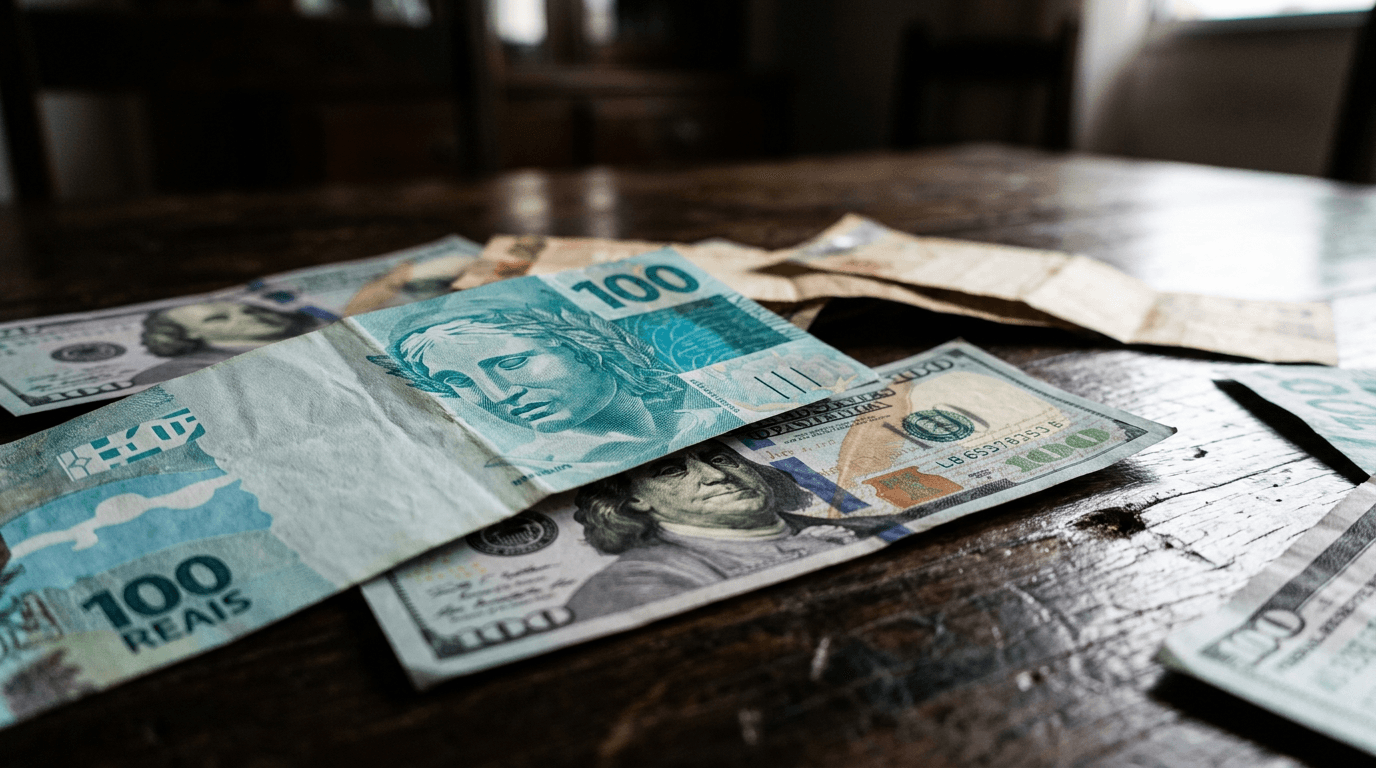
The high political uncertainty, underscored by the statistical tie and extreme voter rejection, can create market volatility, typically adding a political risk premium that affects assets like the Brazilian Real (USD/BRL) exchange rate.