
Lula Rejects Foreign Trade Pressure, Declares Brazil ‘Will Not Be a Colony’ on Independence Day
Brazilian President Lula used his September 7th address to assert national sovereignty over trade and critical resources.
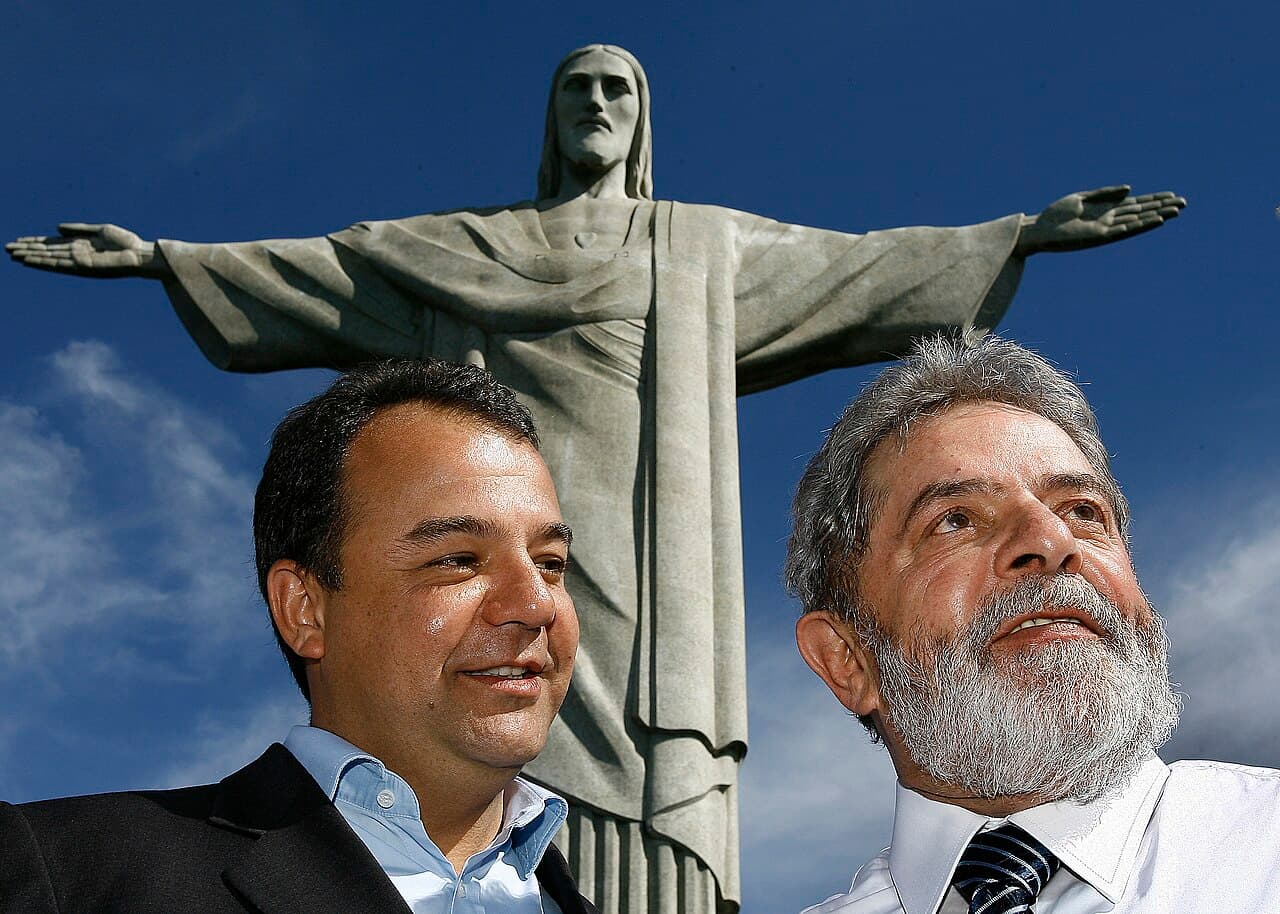
President Luiz Inácio Lula da Silva delivered a fiercely nationalistic message on Brazil’s Independence Day, September 7, asserting the country’s right to determine its own trade policy and control its vast natural resources without foreign interference. In his address, President Lula stated flatly that Brazil “will not be a colony” and will not “bow its head to foreign powers,” framing his administration's economic policy around the principle of full national sovereignty. The speech, broadcast across the country, used the annual commemoration to reinforce a stance of geopolitical non-alignment amid rising friction with major global trade partners.
The President’s pointed remarks were an indirect but unmistakable critique of recent pressure from the United States over trade. Lula defended Brazil’s right to free trade and choosing its own partners, a response to new 25% tariffs imposed by Washington on certain Brazilian goods. Lula’s message is that Brazil, Latin America’s largest economy, is a sovereign power that will not have its commerce dictated by external actors, a position that resonates with his Workers’ Party (PT) base and aligns with his long-held vision for a multipolar global order.
A key component of this renewed sovereignty push involves the development of Brazil's natural wealth. Lula highlighted the country’s massive strategic endowments, including the world's second-largest reserve of rare earth minerals, the largest source of fresh water, and the newly developing oil frontier in the Equatorial Margin off the Amazon coast. He underscored that these resources must be used for national development and technology, not merely exported as raw commodities. This emphasis follows a congressional push, with the Senate recently approving a new legal framework for critical minerals, which awaits the President’s sanction. The law aims to increase federal oversight and encourage domestic processing of strategic materials like nickel and lithium, shifting value capture from foreign buyers to Brazilian industry.
The timing of the speech, just weeks before the October 4 presidential election, positions the assertive stance as a central plank of Lula’s re-election campaign. By focusing on the protection of national assets, rejecting foreign dictation, and promising to use resource wealth to create jobs and technology, Lula is aiming to mobilize voters around a populist, anti-imperialist narrative. The strong rhetoric sets up a foreign policy challenge, signaling to countries like the US and China that Brazil will be a tougher negotiator on resource access and trade terms going forward, emphasizing national interest above immediate foreign investment concerns.
What it touches The nationalistic framing of resource development and trade policy signals a potential increase in regulatory scrutiny for foreign companies operating in the Brazilian natural resources sector. The pending sanction of the critical minerals framework, in particular, suggests greater government oversight and requirements for domestic value-addition for companies involved in materials such as rare earths and strategic metals, which could affect supply chain stability for end-users abroad.