
Meta and Elon Musk's X Face 24-Hour Brazil Court Ultimatum Over AI
Brazil's Electoral Court has ordered Meta and X to submit detailed technical reports within 24 hours explaining their AI rules and content moderation.
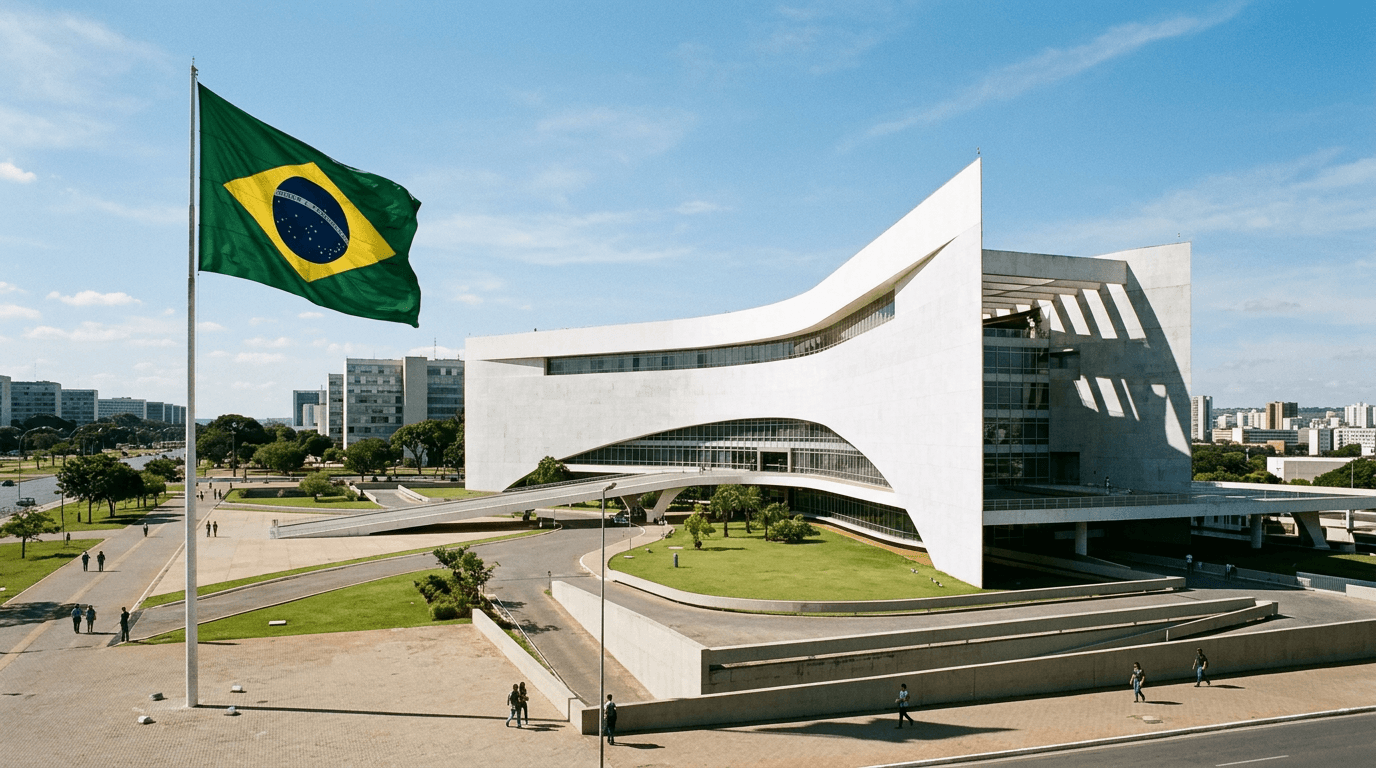
The artificial intelligence tools and automated content moderation algorithms that power the world's largest social media networks are facing an immediate regulatory reckoning in their second-largest global market. On October 23, 2026, Brazil's Superior Electoral Court (TSE) issued a strict 24-hour ultimatum to Meta Platforms and Elon Musk’s X, demanding detailed technical reports on how their platforms manage artificial intelligence, political advertising, and content distribution.
The legal pressure stems from a formal investigation request filed by the campaign of incumbent Brazilian President Luiz Inácio Lula da Silva. Lula's legal team accuses the tech giants of "algorithmic selectivity" and bias that allegedly favors his conservative rival, Senator Flávio Bolsonaro, ahead of the high-stakes October 25, 2026, presidential runoff election. The court's Corregedor-General, Justice Ricardo Villas Bôas Cueva, ruled that the platforms must clarify their automated systems to ensure a level playing field.
The local judicial order follows a highly critical statement issued on October 21, 2026, by United Nations human rights experts. The UN panel raised formal concerns that Meta’s algorithms and recommendation engines have "disproportionately restricted" legitimate political expression in Brazil. According to the UN experts, international election observers documented instances where campaign accounts faced temporary suspensions, reduced visibility, and unequal artificial intelligence capabilities.
AI Under the Microscope
The specific complaints highlight how consumer-facing AI features can quickly turn into political liabilities. Lula's campaign pointed to instances where WhatsApp’s AI image generator reportedly refused to generate images containing "Lula" or his campaign number, while seamlessly generating promotional materials for Flávio Bolsonaro. Additionally, the campaign raised concerns over the behavior of X’s Grok assistant, which allegedly provided inconsistent answers to identical queries about the candidates and generated unsolicited political materials.
Meta has also been ordered to submit a controversial campaign video by Brazilian artist MC Cabelinho to immediate human review. The video, which criticized Flávio Bolsonaro, was automatically taken down by Meta’s automated systems under the justification of "excessive use of artificial intelligence"—a claim the creators strongly deny. Justice Cueva noted that the proximity of the vote makes an immediate, transparent review of these automated decisions essential.
Regulatory and Compliance Risks
Under Brazilian electoral law, the TSE holds sweeping powers to police the digital public square. Non-compliance with the 24-hour technical reporting window can result in severe financial penalties, including hourly fines of up to 100,000 reais ($19,848 USD), or even temporary service suspensions in the country.
Meta and X have both defended their systems, stating that they enforce neutral policies globally. In a statement addressing the UN allegations, Meta emphasized that technical glitches are inevitable on a global scale but do not reflect political bias, adding that the company is actively working to comply with all local Brazilian electoral rules.
In your brokerage app
For investors holding Meta Platforms, Inc. (listed in New York) or Tesla, Inc. (whose CEO Elon Musk owns X), Brazil's aggressive regulatory stance represents a recurring compliance risk in a key overseas market. Broad exposure to these mega-cap technology firms is commonly held through the Invesco QQQ Trust, which tracks the Nasdaq-100 index.