
Record Number of Diverse Candidates Signals Deepening Political Shift in Brazil’s 2026 Election
The 2026 Brazil election sees a historic surge in LGBT+, Indigenous, and Quilombola candidacies across all parties.
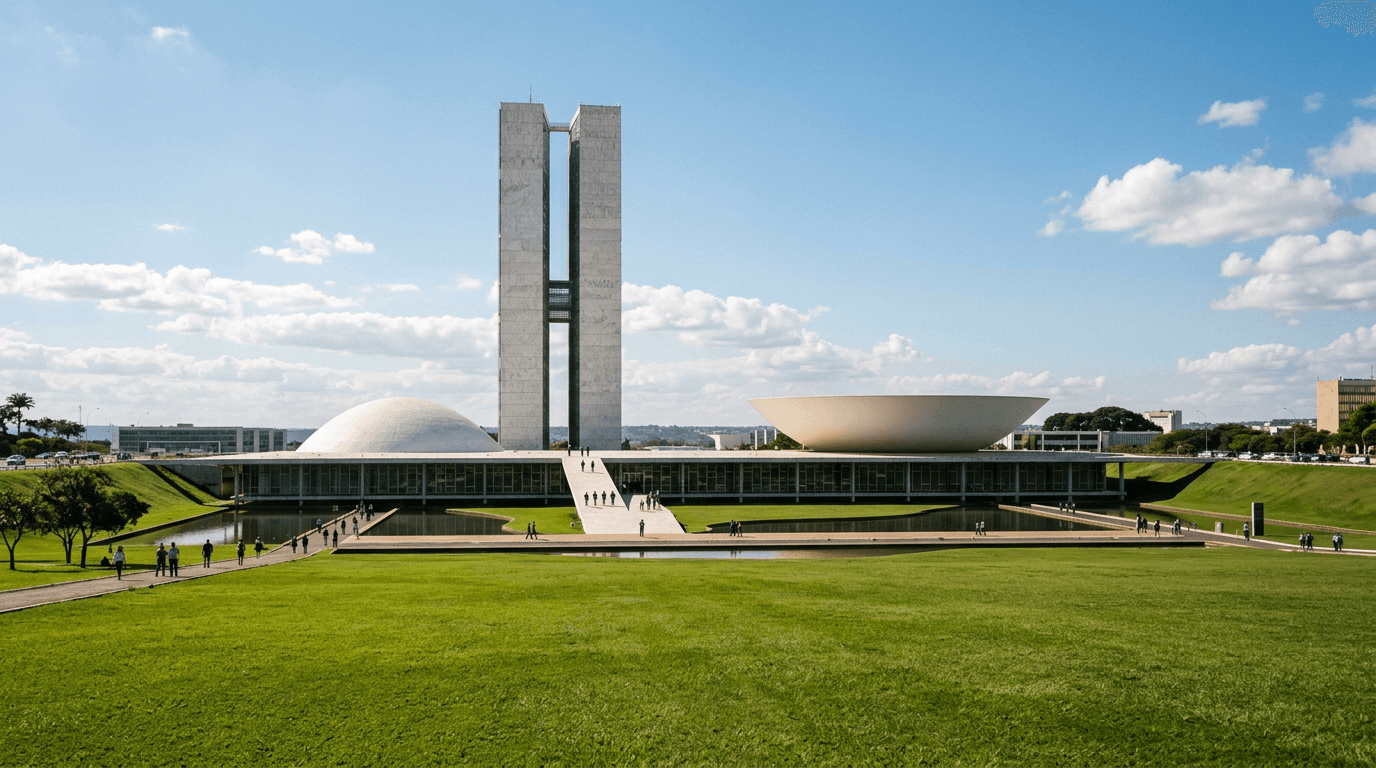
Brazil’s 2026 general election is set to feature a record number of candidates from historically marginalized communities, signaling a fundamental shift in the country's political landscape. Data compiled by the Superior Electoral Court (TSE) and civil society groups show a significant surge in candidacies from LGBT+, Indigenous, and Quilombola communities, indicating that the pressure from social movements to diversify the political class is translating into tangible electoral challenges. The number of LGBT+ candidacies saw the most dramatic growth, increasing by 57% compared to the 2022 general election, with 514 names confirmed to contest seats at the federal and state levels.
The total of 514 LGBT+ candidates in the race for state and federal seats represents a marked expansion in representation, with the candidacies now present in 27 of the 30 political parties competing in the election. The drive for representation is also evident among other minority groups. The election confirmed 191 Indigenous candidates, the highest number recorded since the TSE began collecting data on race and ethnicity in 2014. Meanwhile, candidates who self-identify as Quilombola have increased by 75% compared to the 2024 municipal elections, totaling 214 candidacies across the country. A significant portion of this diversity is concentrated in the races for Federal Deputy seats in the Câmara dos Deputados (Chamber of Deputies), the lower house of the Brazilian National Congress, which holds 513 seats and is responsible for enacting federal law.
The influx of Quilombola candidacies introduces a critical new dimension to the political debate. Quilombola are the descendants of enslaved Afro-Brazilians who fled forced labor or established communities on abandoned lands, known as Quilombos, after abolition in 1888. These communities, which number over 1.3 million people, are guaranteed land rights under Article 68 of the 1988 Constitution, but the legal recognition and demarcation process remains slow and often threatened by powerful agricultural and mining interests. Their participation at the ballot box is a direct attempt to force issues of land rights, historical justice, and environmental protection onto the national agenda, particularly in a Congress historically dominated by the ruralista (agricultural lobby).
This shift did not happen organically but is the result of focused, multi-year efforts by social movements, human rights organizations, and electoral courts to make the political system more inclusive. Rules mandating increased representation and efforts by political parties—especially those on the left—to recruit and support diverse slates have provided the mechanism for these communities to achieve political visibility. However, the real test remains whether this heightened visibility can be converted into actual seats in the Brazilian Congress and state assemblies. Indigenous and LGBT+ candidates, in particular, continue to face challenges in securing campaign financing and institutional support, even from the parties that nominate them.
What to watch next is how many of these record candidacies are elected on October 4. A substantial increase in elected representatives from these groups could significantly alter the debate on issues ranging from human rights and public security to land demarcation and environmental policy in the upcoming legislative session. For the first time, a coalition of historically marginalized voices is poised to challenge the traditional demographic makeup of Brazil’s decision-making bodies at scale.